12 Hidden Treasures of Paris
The 12 little-known secret places in Paris. Discover some hidden spots off the tourist trail that are all worth a visit.
On this page
1. Ballon Air de Paris2. Beehives at Jardin du Luxembourg3. Boating at the Bois de Boulogne4. Marché St.-Quentin5. Little Sri Lanka6. Belleville7. Église St-Étienne-du-Mont8. Paris sewer system9. La Butte aux Cailles10. La Conciergerie11. Mountain in the Parc des Buttes-Chaumont12. The CatacombsConclusion
Are you tired of the mainstream attractions and destinations you always see when reading itineraries and blogs about Paris? Do you feel adventurous and excited at the possibility of finding unique places and activities which you can later boast about to your family and friends?
Every place has its own hidden gems which only the locals or the bravest and most inquisitive foreigners can find. However, in this short blog, I will show twelve hidden treasures of Paris, all of which are truly worth a visit the next time you are in the City of Lights.
1. Ballon Air de Paris
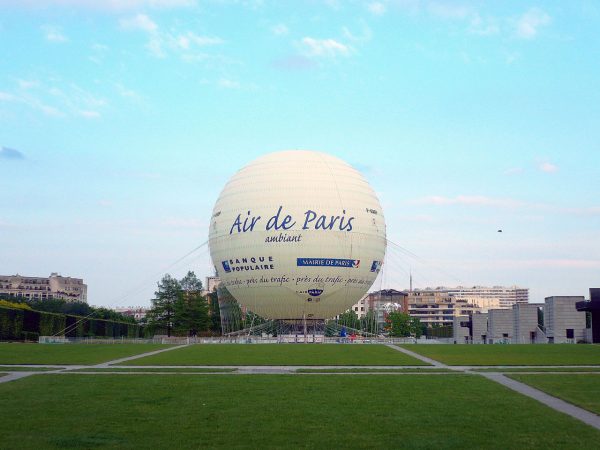
In the heart of the city, there is a flying attraction for both young and old. Thanks to the genius of Archimedes, people who want a bird’s eye view of Paris can board the Ballon Generali de Paris (formerly Ballon Air de Paris) and enjoy a spectacular panoramic view of the capital.
Ballon Air de Paris is one of the biggest tethered helium balloons in the world. Rising to an altitude of 150 meters, the balloon is filled with 6200 m3 of helium and is attached to the ground by a cable. The balloon also plays an active role in environmental research: it measures air pollutants and greenhouse gases, and its envelope now displays climate-warming indicators. Its earlier green, orange and red air-quality colour scheme should not be used as a guide to the current display. Parisians are rightly proud of this multi-purpose attraction.
Opening hours: Daily 9 am to 7 pm as listed by the operator in 2026, weather permitting. Check whether flights are operating before you go.
Location: Parc André Citroën
Prices: Ticket prices change from time to time, so check the official website before you go (children under 3 are free).
Contact info: Previously listed: +33 1 44 26 20 00; confirm current contact details on the operator’s website.
2. Beehives at Jardin du Luxembourg
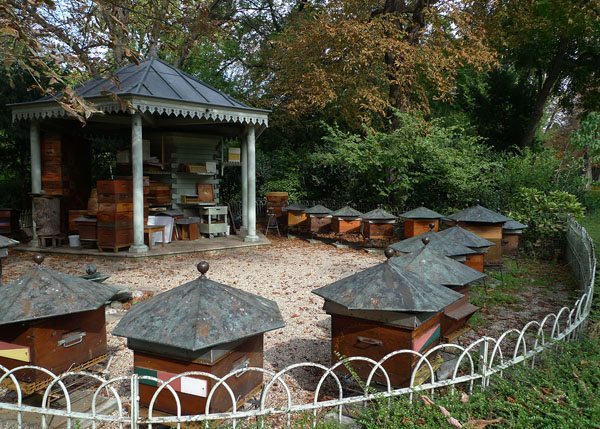
At the southwest corner of Jardin du Luxembourg, a bunch of busy bees are making honey for local Parisians. An apiary (collection of beehives) since 1856, this secluded but fascinating part of the beautiful Luxembourg gardens allows you to learn more about the process in which honey is made. The more adventurous can even try it for themselves: beekeeping classes are run in the gardens, so check locally for current dates.
3. Boating at the Bois de Boulogne
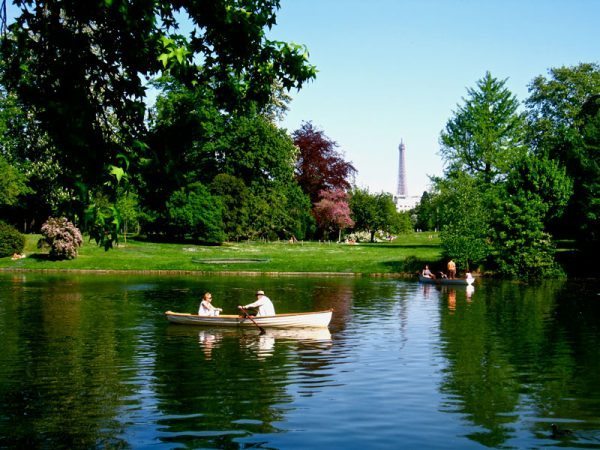
Another activity off the tourist-trail is Bois de Boulogne and its boating area. Bois de Boulogne was once a hunting ground for the Kings of France, but now it has become a key destination for those wishing to relax in Western Paris. It is one of the largest parks in the west of Paris and offers a vast array of activities such as a trek around Lac Inférieur and a boating experience in the lake.
The boating gives a soothing feeling with the sense of calm and seclusion that the water provides. The trees around are undeniably charming too. If you want to take a breather from the bustling lights and noise around the city, Bois de Boulogne is a good place to escape to.
4. Marché St.-Quentin
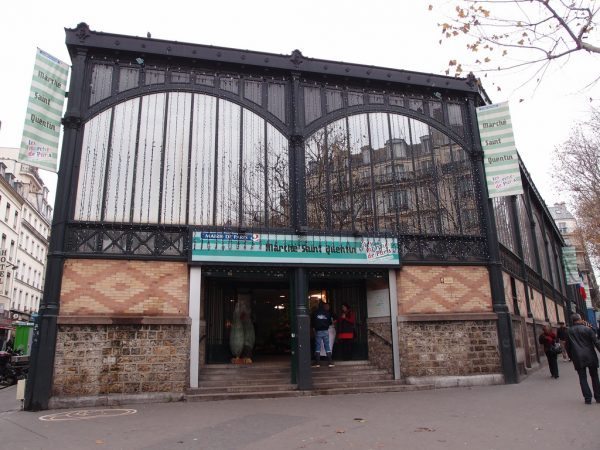
When planning a trip to a country, does it ever occur to you to think about markets? In reality, the markets are often overlooked in favour of the more clichéd aspects of Parisian life. Nevertheless, Paris boasts some extraordinary covered markets like St. Quentin, one of the few remaining covered markets in Paris. It has impressive Baltard-style architecture with high ceilings, iron, glass, and expansive windows that permit a lot of natural light and greater ventilation.
Saint-Quentin is located in the 10th arrondissement and has a wide choice of stalls. You will find various ethnic eateries, fruits and vegetables, charcuterie, gift shops, bakeries, meat, household items…
Location: 85 bis boulevard Magenta 75010 Paris
Opening hours: Tues – Sat (8 am to 8 pm); Sunday (8 am to 1:30 pm); closed Monday. Hours can change, so check before you go.
5. Little Sri Lanka
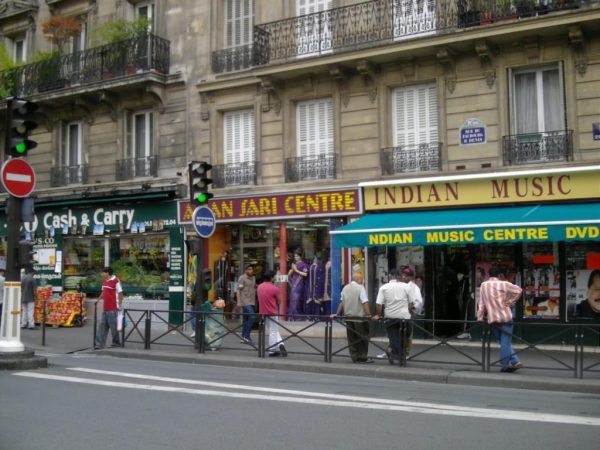
Paris’s “Little Jaffna”, associated with its Sri Lankan Tamil community, is located at the end of Rue du Faubourg-Saint-Denis in the 10th arrondissement, between metros Gare du Nord and La Chapelle.
Commonly mistaken for Little Bombay by many Parisians, you will see women in vibrant saris, colourful shops selling everything from silk to spices, cheaper Indian restaurants (you will find them near La Chapelle underground station around Rue du Faubourg), and, just as importantly, Sri Lankan and South Indian culture imported all the way from Asia to Little Jaffna.
You will also hear the latest Bollywood music bouncing around the streets while you find your way around. And that strong fragrance of spices stacked in the groceries and restaurants… mmmm… it’s so evocative! Don’t forget to save some time to try their chai tea and samosas before you leave.
6. Belleville
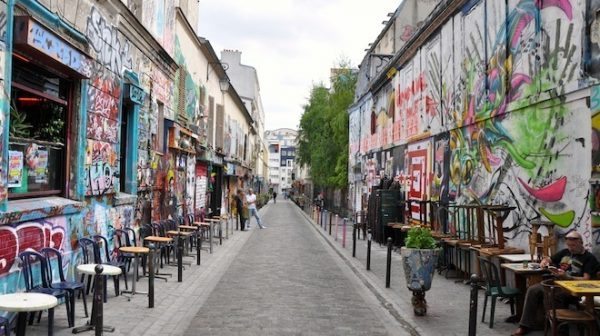
Belleville was once a village that provided wine to central Paris, but now it has become livelier, with its own Chinatown and artistic quarter, and a melting pot of different cultures.
You will find Thai, Vietnamese, Chinese and French restaurants and bistros all around Belleville with plenty of budget-friendly options, though prices vary by restaurant. For example, there is a major Chinese neighbourhood located between the canal and the Parc des Buttes-Chaumont.
One good thing in visiting a cultural neighbourhood is the cheaper yet more authentic products that they sell. For example, if you are craving noodles and dumplings, just go to the nearest Chinese neighbourhood and you will get the unique experience of visiting France and eating in China at the same time. Moreover, on top of the cuisine, there are many other awesome activities that you can do whilst in Belleville.
Since the neighbourhood is becoming a fashionable hangout for artists, you will find different ateliers scattered in the area displaying their paintings and artwork for free. If your tastes run to graffiti and street arts you must definitely check out Rue Denoyez. Afterwards, you can try the view over the city from Rue Piat and Rue des Envierges, which leads to the modern but lovely Parc de Belleville.
Finally, if you still want to be a little adventurous, you can explore the nearby Père Lachaise cemetery, where Jim Morrison, Oscar Wilde and Edith Piaf are resting in peace.
7. Église St-Étienne-du-Mont
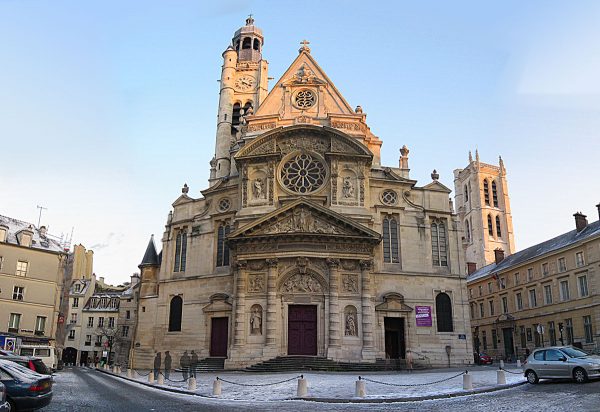
St. Étienne du Mont combines Gothic and Renaissance architecture on the Montagne Sainte-Geneviève in the fifth arrondissement behind the Panthéon. It is one of the most interesting churches in Paris, and developed beside the abbey dedicated to Saint Geneviève.
The church carefully guards its main attraction – the shrine and the golden reliquary which hold relics of Sainte Geneviève, the patron saint of Paris. The church also boasts a magnificent interior, with the only surviving Renaissance rood screen in Paris. Aside from Sainte Geneviève, the church also has the tombs of physicist Blaise Pascal and playwright Jean Racine.
8. Paris sewer system
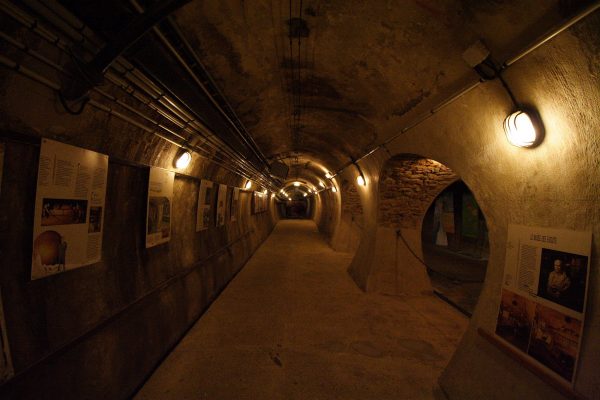
What is the strangest museum you’ve ever visited? Now you can add the Paris Sewer System to your list. Here you can follow the history of the city’s drainage system from earlier drainage arrangements to the epidemics of the 19th century, and to the creation of the modern sewer system of Paris. For an unforgettable hour, you can walk through tunnels and see the machines and gushing sewer water underneath your feet.
9. La Butte aux Cailles
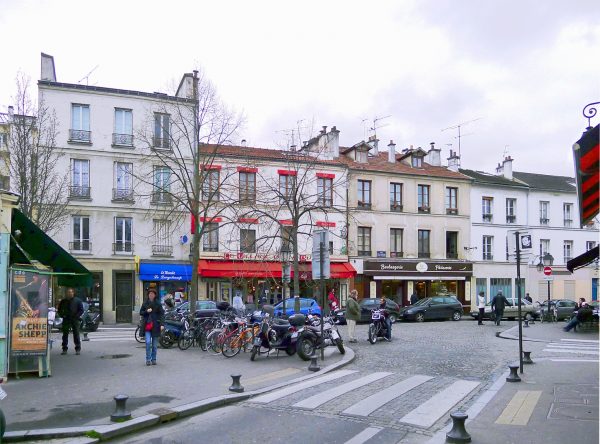
La Butte aux Cailles in the 13th arrondissement might be one of the lesser-known neighbourhoods in Paris, but its hidden beauty, composed of narrow cobblestone streets, eccentric restaurants, cafes, art nouveau architecture and tiny houses, is reminiscent of another era of Parisian life.
La Butte aux Cailles is one of the Parisian neighbourhoods not yet invaded by global chain stores, so most of the neighbourhood remains traditional. Some interesting places to explore in La Butte aux Cailles are: Place Paul Verlaine, Alsatian Villa, the art-nouveau houses and the streets of Rue de la Butte aux Cailles and Rue des Cinq Diamants.
In Place Paul Verlaine, you will find a drinking-water fountain supplied by an artesian well whose history goes back to the 19th century. The present fountain, inaugurated in 1999, dispenses monitored drinking water. Behind it is the historic swimming pool, completed in 1924, which was originally fed by the well but no longer is. After spending some time in the neighbourhood, you can walk to rue Daviel to find the Alsatian Villa, built in the architectural style of the traditional buildings of Alsace. Its courtyard is private residential space. Admire the façades from the street and respect residents’ access restrictions.
Lastly, stroll among the scenic art-nouveau houses to reach the streets of Rue de la Butte aux Cailles and Rue des Cinq Diamants to find local shopping centres, restaurants, bars and clubs.
10. La Conciergerie
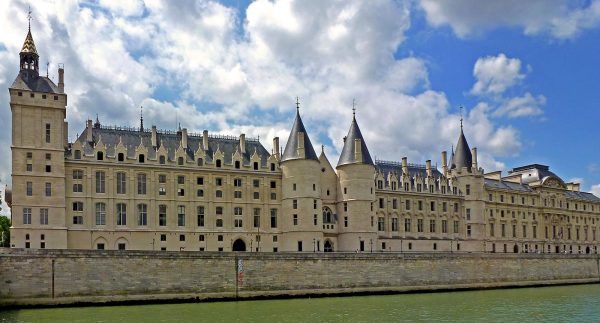
La Conciergerie was part of the former royal palace. After the kings left, the Parlement of Paris, the kingdom’s high court, remained there; part of the palace became its prison in the late 14th century, holding both ordinary and political prisoners.
During the French Revolution, many prisoners awaited the Revolutionary Tribunal there, and many were condemned to death. Not every detainee was executed, and the executions did not all take place at what is now Place de la Concorde. Amongst the famous people who spent time in the palace are Marie-Antoinette, Charlotte Corday and Danton. Now, visitors will find themselves in the Prisoners’ Gallery, the Women’s Courtyard and the memorial chapel built in 1816 on part of the site of Marie-Antoinette’s former cell, and can peruse some mementos from the French Revolution.
11. Mountain in the Parc des Buttes-Chaumont
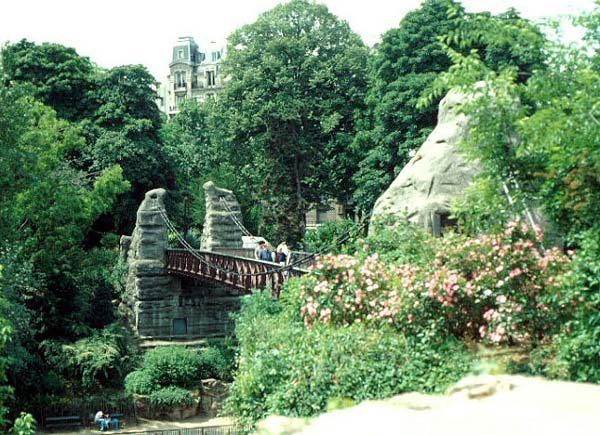
The Parc, as a whole, is one of the largest in the city. On top of this, the park boasts dramatic slopes, bridges, waterfalls and plants, its peaceful ambiance creatively crafted by Alphand and Baron Haussmann from an originally barren area. Its central rocky island is one of its most striking landmarks, though access restrictions must be respected.
Hidden deep inside Parc des Buttes-Chaumont, this rocky island historically offered visitors a beautiful view of the park, and at its summit stands the “Temple of Sibylle”, a 19th century replica of a Roman one that evokes a sense of mythology to the place, which adds even more drama to the landscape. As of October 2026, access to the island and temple is closed because of unstable ground and ongoing restoration; check the City of Paris updates before planning your route. The rest of the park remains largely open.
12. The Catacombs
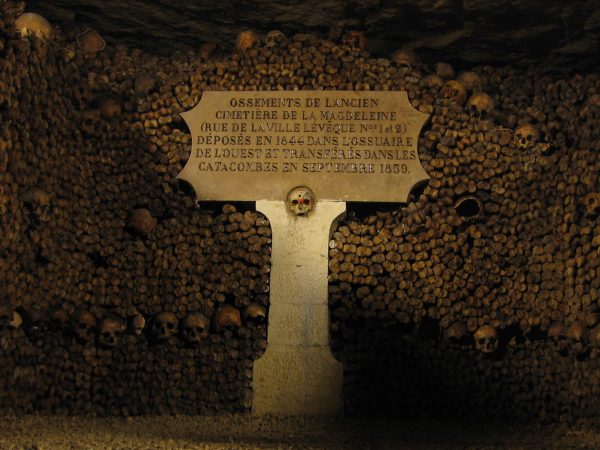
Underneath the glowing lights and bustle of Parisian streets, there lies a creepy labyrinth of carefully arranged skulls and bones. The ossuary holds the remains of about six million Parisians, transferred from cemeteries beginning in 1785 and continuing into the 19th century; the people buried in those cemeteries lived over many centuries. In addition to the unsettling number of human bones, you will also find historical inscriptions lining the walls, adding to the enigmatic atmosphere. Visit through the official Catacombs entrance and follow its visitor route. Unauthorized entry into the wider former-quarry network is prohibited and carries the risk of getting lost.
Conclusion
These twelve “secret” places are only some of the huge variety of places in the city hidden behind the shadows of the Eiffel Tower, Notre-Dame, and Sacré-Cœur.
You may find some of them strange at first, but all have their own beauty, and allow you to see another dimension to Paris.
P.S: As always, sharing is caring 🙂