12 Tricky French False Cognates: Part 2
Watch out for these confusing French-English words that look the same, but mean very different things. Learn quickly about French False Cognates here.
On this page
1. Coin (French) and Coin (English)2. Disposer de and Dispose3. Éditeur and Editor4. Envie and Envy5. Excité and Excited6. Grappe and Grape7. Isolation (French) and Isolation (English)8. Issue (French) and Issue (English)9. Joli(e) and Jolly10. Journée and Journey11. Librairie and Library12. Location (French) and Location (English)In a previous article, we’ve talked about twelve tricky French false cognates that invite a serious blunder from unsuspecting victims.
Now, let’s learn 12 more French and English words that look or sound the same, but have vastly different meanings.
1. Coin (French) and Coin (English)
Coin in French is corner or nook. It could be a street corner, the corner of a certain object or room, or a small spot. It has nothing to do with the loose change in your purse. In French, those are referred to as pièces or monnaie.
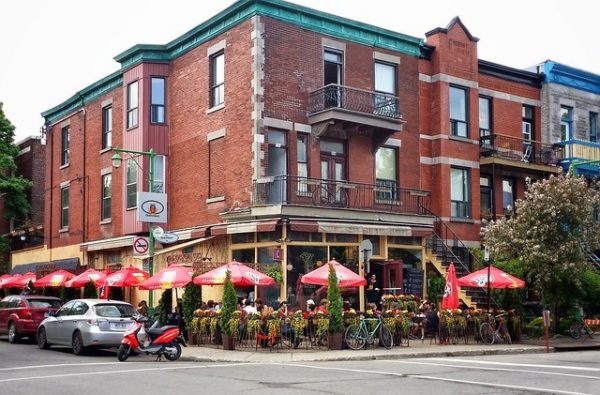
Le coin d’une rue = a street corner
2. Disposer de and Dispose
At a glance, disposer de might seem like a no-brainer and would be quickly translated as “to dispose of”. But don’t get tricked! Disposer de instead means TO HAVE (at your disposal) and not to dispose or get rid of which is se débarrasser de in French.
3. Éditeur and Editor
Here’s a tricky one. Éditeur usually means publisher in the book trade. English editor has different French translations according to the job, including rédacteur or réviseur. There is overlap in other contexts: an éditeur de texte is a text editor, and an éditeur scientifique prepares a scholarly edition.
4. Envie and Envy
This one belongs to our cringe-worthy list of embarrassing mistakes so best be careful in interchanging the two. Envie can mean envy as well as wish or desire. In avoir envie de, it means to want or feel like. So when you say “J’ai envie de toi”, you’re not saying that you envy the person you’re talking to. What you’re saying is that you desire him or her. *awkward*
5. Excité and Excited
Je suis excité(e) ! can suggest sexual arousal in some contexts, but excité also means excited, agitated, or stimulated. Context matters. To say you are looking forward to something, J’ai hâte de… is a useful alternative.
So to avoid any raised eyebrows and knowing smirks (not to mention a boatload of embarrassment), make sure to specify what it is exactly that you are so enthusiastic about.
6. Grappe and Grape
If you add an extra “p” to grape, it does not mean the same thing in English. Grappe means a bunch, like a bunch of grapes. Like this:
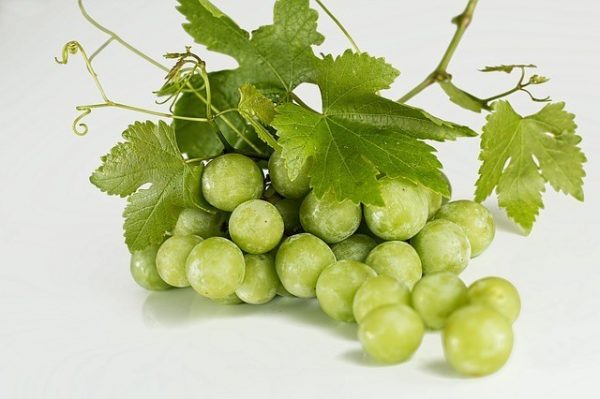
Une grappe de raisin = a bunch of grapes
7. Isolation (French) and Isolation (English)
They look the same, but their usual meanings differ. In everyday French, isolation commonly means insulation against heat, noise or electricity. For social isolation, the usual word is isolement. French isolation also has specialist and older senses of separation, so the meanings are not completely unrelated.
8. Issue (French) and Issue (English)
Another word pair that is spelled the same way, issue in French is in no way the same with the English version. In French it means exit, an outcome, or a solution. For example:

Une issue de secours = an emergency exit
9. Joli(e) and Jolly
Joli or jolie is a French adjective that means pretty. It doesn’t mean jolly as in “a jolly, good fellow” or cheerful like its English twin.

Une jolie fille = a pretty girl
10. Journée and Journey
Journée is French for day. So when you say une journée de travail, it means “a working day’, and not a work trip.
11. Librairie and Library
If you’re looking for a place to borrow books instead of buying them, then don’t ask “où est la librairie?” because you will be directed to a bookstore. Tricky, huh. But in French, librairie means bookstore, and not library. A library is une bibliothèque.
12. Location (French) and Location (English)
Finally, for the final word pair in this list. Did you know that location in French does not mean location in the English sense? The French location means rental, lease, or hire. It stems from the verb louer which means to rent/lease. So when you say “une voiture de location”, it’s not the location of the car. It’s a rental car.
Which one usually trips you up? If you can’t find your favorite French false cognates on this list, make sure to check out the first part of this article here. There’s also a 3rd part coming soon so watch out for that, too.