Christmas and New Year’s in France: The ABC’s
How do the French celebrate Christmas and New Year? Here are all the things you need to know – arranged from A as in Advent to Z as in Zzzz’s.
On this page
A – AdventB – Bûche de NoëlC – ChestnutsD – DrinksE – EpiphanyF – FoodG – GiftsH – Holiday greetingsI – Intimate affairJ – Joyeux Noël !K – Kir RoyaleL – Lyon’s Festival of Lights or Fête des lumières à LyonM – Midnight Mass (la Messe de Minuit)N – Nativity (La crèche)O – OrnamentsP – Père NoëlQ – Quirky CustomsR – RéveillonS – Sapin de NoëlT – TraditionsU – Un Chant de Noël Français (Christmas Carols)V – Villages of Christmas and the Marché de NoëlW – Winter WonderlandX – X-pressions related to ChristmasY – Yule LogZ – Zzzz’sChristmas is considered by many as the best time of the year.
And why shouldn’t it be? The food, the lights, the festive air, the gifts, the carols, more gifts, shopping, more shopping, family, friends, more gifts under the Christmas tree…
It’s got everything wonderful all crammed into a few weeks of celebration. Wonderful, isn’t it? (If you suddenly feel the urge to jump up and down like a little child, we truly understand. Christmas does have that effect on some people, including us.)
You can also check out podcast episodes 36 and 37 for more details.
In France, it definitely is a full-blown (and in some cases, over the top) affair. But how do the French people celebrate Christmas and New Year? Here is a list of what makes the Holidays in France unique, all sorted out from A to Z.
A – Advent
Advent is the time when members of the Catholic Church anticipate the upcoming birth of Jesus, or Christmas day. This is also a popular part of the Christmas season in France. Advent calendars can be found everywhere including in supermarkets and different stores. Children may also receive toys or candies leading up to Christmas day.
B – Bûche de Noël
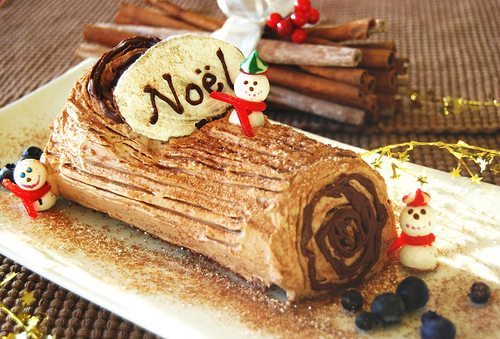
Looks too good to eat!
La bûche de Noël or the Yule Log is a cake shaped like a log, usually made of sponge cake rolled with chocolate or chestnut cream. It represents the special log usually made of cherry wood which is being burned by families inside their homes during Christmas.
C – Chestnuts
Chestnuts often appear in different food and traditions in France. They can be roasted inside the home or out in the streets by vendors, used in cakes, or included in traditional Christmas desserts.
D – Drinks
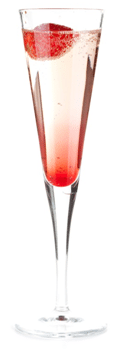
Merriment during the holiday season is not complete without drinks. During le Réveillon or Christmas and New Year’s Eve dinners, a common aperitif is kir or white wine mixed with blackcurrant liqueur, crème de cassis. When you substitute the wine with champagne, the result is a cocktail drink known as Kir Royale. Some stick to the regional favorites depending on the area. For example, some places prefer vin jaune which is kind of a Sherry-like Savagnin wine. The main meal is also washed down with different types of wine or champagne.
E – Epiphany
The Epiphany or la fête des Rois is celebrated on a variable date, but usually it is on the 6th of January. This is basically the celebration of the Three Kings, and in France, there is a tradition called le tirage des rois or literally, the drawing of the kings. The cake, called galette des rois or Three Kings cake, is generally eaten throughout the month of January.
It comes in different variants, usually puff pastry filled with almond paste, or (in the south) a brioche decorated with candied fruit. There is also a hidden trinket inside the cake, usually a fava bean or a small figurine. Whoever gets the surprise item in his or her cake slice gets to choose a partner and together they will be given paper crowns and hailed the King and Queen of the celebration.
F – Food
For a country that loves food so much, can you imagine the food they’ll prepare when the celebration calls for it? Though Christmas Eve and New Year’s Eve dinners are traditionally celebrated at home, these may also be enjoyed in a restaurant or café which is open all night. Christmas Eve dinner is usually lighter than the New Year’s Eve dinner which tends to be more decadent.
The traditional menu may vary depending on the region, but dishes such as chestnut-stuffed turkey, chicken, goose, seafood, oysters, and foie gras, often make an appearance on the Christmas table. Dessert is also a huge deal. Aside from the previously mentioned la bûche de Noël, le pain calendal is also common in Southern France and is commonly given to a poor person.
In Provence, the treize desserts go just a little bit overboard with an elaborate creation consisting of 13 kinds of desserts representing Jesus Christ and the apostles. These could include fruits (dried and fresh), assorted nuts, pastries, cookies, and so on. The table preparation for Provençal Christmas dinners is also a tad bit more elaborate than the usual.
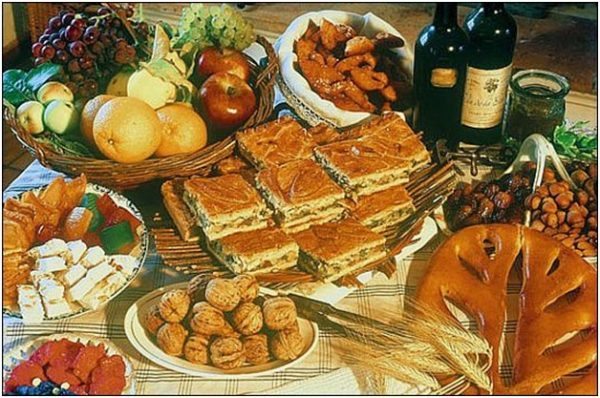
The 13 desserts of Christmas in Provence.
You can also find street vendors selling Christmasy foods such as roasted chestnuts, gaufres (waffles), crêpes, and even vin chaud or mulled wine to help keep the cold at bay.
G – Gifts
As with the rest of the world, gift-giving is a glorious Christmas tradition in France. In some parts of France, Christmas presents or Les Cadeaux de Noël arrive as early as the 6th of December during the feast day of Saint Nicholas.
Children also place their shoes by the fire, and wake up on Christmas Day to see them stuffed with all sorts of gifts and goodies (lucky for children with big feet!). Candies, toys, and other fun stuff also appear under the tree overnight (supposedly from Santa). Some adults wait until New Year’s Eve to open their gifts since this is the more grown-up celebration.
H – Holiday greetings
The following are holiday greetings and words related to Christmas and the New Year. You should probably learn them too.
Merry Christmas! –Joyeux Noël !
Season’s greetings! — Meilleurs vœux !
Happy Holidays! – Joyeuses Fêtes ! or Bonnes Fêtes !
Christmas Eve – la veille de Noël
Christmas Day – le jour de Noël
New Year’s Eve – Saint-Sylvestre
The New Year – Le Nouvel An
New Year’s Day – Le Jour de l’An
Happy New Year! – Bonne année !
Take note that when writing exclamation points in French, there is a space between the last letter and the exclamation point. For a longer list of Christmas vocabulary, check this list of Useful French Vocabulary and Expressions for the Holiday Season.
I – Intimate affair
The French Christmas is an intimate gathering for family or close friends. It is characterized by family reunions, generosity, charity to the poor, and making the event as special as possible for the children.
J – Joyeux Noël !
This is how you say Merry Christmas in most French regions. However, in Brittany (in western France), they say “Nedeleg laouen” in Breton. In Corsica, it’s ‘Bon Natale’.
K – Kir Royale
This is a common aperitif during Christmas Eve and New Year’s Eve dinners. Santé !
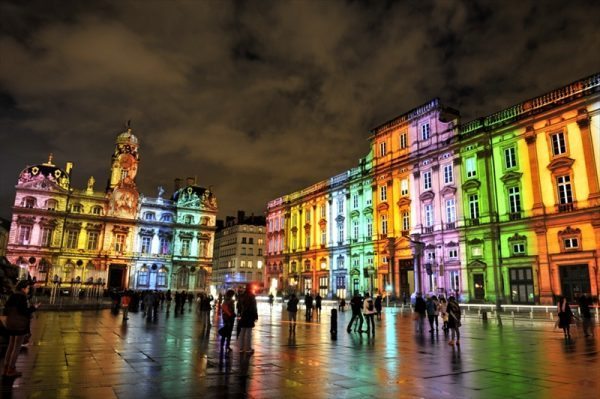
L – Lyon’s Festival of Lights or Fête des lumières à Lyon
Lyon’s Lights Festival is one of the most popular attractions during the Christmas season in France. This began as the city’s way of paying homage to the Virgin Mary by lighting candles in their windows. Now it has grown into a spectacular display of urban lighting which includes amazing laser light shows, and draws tourists from all over the world who come to bask in the city-wide Christmas glow.
M – Midnight Mass (la Messe de Minuit)
This is the mass held on Christmas Eve and it is considered by many French families as a very important part of the whole celebration.
N – Nativity (La crèche)
One of the most prominent Christmas decorations in France is la crèche or the Nativity. The crèche is filled with clay figures and displayed in homes and churches. Nativity plays and puppet shows are also performed, and fairs selling nativity figures and scenes are also popular.
O – Ornaments
Mistletoe (le gui) is also used in France as a Christmas ornament. It is hung above the door to bring good fortune throughout the coming year.
P – Père Noël
Père Noël or Father Christmas is the French equivalent of Santa Claus. He gives gifts to good children. Since 1962, France’s postal service has answered the letters that children write to Père Noël.
Q – Quirky Customs
Aside from Père Noël, there is another Christmas-season figure in parts of northern and eastern France, le Père Fouettard or Father Whipper! He accompanies Saint Nicholas and, as the name suggests, is said to punish the children who have been naughty.
R – Réveillon
Le Réveillon is a huge feast that marks the Christmas Eve and New Year’s Eve dinners. The word comes from the verb réveiller or to awaken or revive which refers to staying awake late into the night for the midnight feast. The feast is celebrated with lots of food (see the previous entry on FOOD), drinks (see previous entry as well), and different traditions.
S – Sapin de Noël
This is basically the French Christmas tree, often decorated elegantly with red ribbons or other ornaments. Did you know that the earliest written mention of a Christmas tree comes from Sélestat, in the Alsace region of France, in 1521? This iconic Christmas symbol has deep roots in France.
T – Traditions
Christmas traditions in France vary between regions, but these are all firmly rooted in family, food, and religion.
U – Un Chant de Noël Français (Christmas Carols)
Christmas carols are also quite common in French Christmas celebrations. One example is Vive le vent, the French version of Jingle Bells.
V – Villages of Christmas and the Marché de Noël
The Christmas Villages and the Marché de Noël are another big event during the Christmas season. These erected villages feature carolers or orchestras, skating rinks, wooden structures, different decorations, local food and wares being sold, and an appearance from Père Noël. These places can get pretty crowded as kids of all ages (including the kids at heart) all troop to enjoy the festivities.
W – Winter Wonderland
Christmas in France is often described by tourists as a winter wonderland which looks like it popped out of a lovely Christmas card. It sure does.
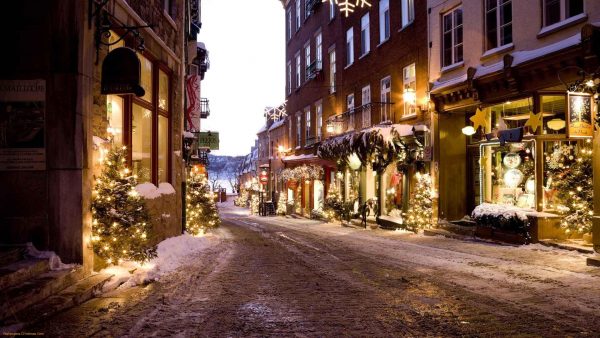
Here’s a beautiful Parisian Christmas
X – X-pressions related to Christmas
- Noël au balcon, Pâques au tison – the idea basically means that if it’s too warm at Christmas, it will be a cold Easter.
- Noël sous la neige – a white Christmas; the kind that most people dream of, though it is rare in most of France.
- Noël malin – a phrase often seen in advertising for Christmas deals aimed at the smart shopper.
- Meilleurs vœux – This can mean “season’s greetings” during the Holiday season, but it can also be used year-round to mean “best wishes”.
Y – Yule Log
The Yule log is usually made of cherry wood which is often being burned inside French homes during Christmas. The log is sometimes sprinkled with red wine to make it smell even nicer. In some customs, it is left burning all night with some food and drinks in case the Virgin Mary or Baby Jesus decides to drop by.
Z – Zzzz’s
A typical Christmas Day in France is a quiet event to be spent with family. It is a time to come together and relax, and even grab some zzz’s right before the big New Year’s Day celebration.
So, how about you? Are you planning to spend Christmas in France anytime soon? Meilleurs vœux !