A Guide to French Food Habits
What makes French Food rock the palates of foodies everywhere? Let our handy guide tell you the reasons why. Plus, there’s a cool bonus for you too!
On this page
What Makes French Food Unique?French Eating HabitsThe different meals of the dayThe BeveragesPopular French FoodFrench DiningBONUS TOPIC: Why don’t the French Get Fat??Heaven is where:
The French are the chefs,
The Italians are the lovers,
The British are the police,
The Germans are the mechanics,
And the Swiss make everything
run on time.
You have probably heard this description of heaven before. French chefs are renowned all over the world for creating the best kinds of gourmet food imaginable. This is the reason why French people are highly appreciative of fine food even at a young age, and take pride in the wonderful reputation of the amazing French cuisine.
What we now know to be the classic French cuisine began to be developed as early as the 17th century, when visionary chefs paved the way for the distinct French style of cooking to emerge. Before this, French cuisine was largely influenced by the Italians, and it was only when great chefs François Pierre La Varenne and Marie-Antoine Carême decided to shift away from foreign influences that French cuisine began to take shape. La Varenne worked in the 17th century, and Carême refined the craft in the early 19th.
As of the 20th century, the French ways of cooking became standardized and codified into the further development of the high-level, elite gastronomic experience known as haute cuisine. In the 1970s, the nouvelle cuisine (new cuisine) became popular and was focused on fewer ingredients and more flexible methods.
Today we see a French cuisine which is characterized by creative experimentation on non-traditional flavors while preserving the usual wonderful presentation and spectacular taste – one that has influenced and won the world over.
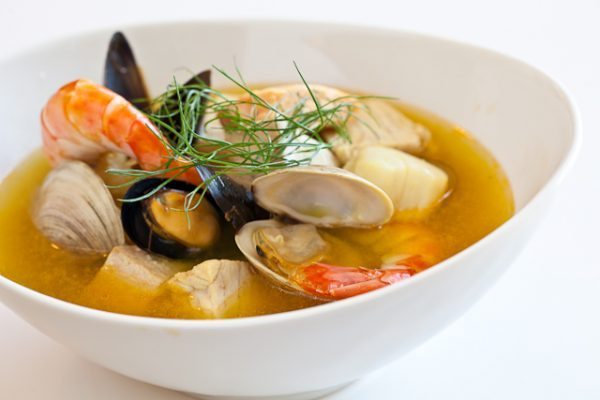
Bouillabaisse
What Makes French Food Unique?
1. The ingredients
French cuisine is unique compared to the rest of the culinary methods of other countries because of its “herby” take on cooking. Some cultures rely on spice, but the French use a vast array of herbs to create flavorful and mouth-watering dishes. The ingredients are freshly picked from the available local produce resulting in varied regional dishes.
“French cuisine is ultimately about creating a harmonious dish that elevates the quality of the main ingredient.”
– Commonly attributed to Eric Ripert, chef, restaurateur and Top Chef judge
2. The presentation
French food is widely known to be delightfully presented. Extra care is given to how beautiful it looks on the plate, making it not only pleasing to the taste buds, but to the eyes as well. This is the reason why modern culinary schools are highly influenced by the French cuisine.
3. It’s an art form.
French cooking involves a lot of techniques. These basics can be extremely complicated and need careful preparation and an amount of time to accomplish. Years of meticulous practice and study have transformed French cuisine into an art form which is why mastering it is considered by many to be the highest level of culinary success.
“In France, cooking is a serious art form and a national sport.”
– Commonly attributed to Julia Child, American author, chef, and TV personality
French Eating Habits
The climate in France makes it possible for a wide array of high-quality ingredients to be produced. Everything is freshly picked and cooked to perfection.
Here are the ingredients commonly found in French food.
- Meats are often the center of attraction in French meals. Beef, pork, poultry, game meats, and charcuterie (ham, sausage, and cold cuts) are all favorites.
- Vegetables – the freshest and the ripest – are carefully picked and prepared. These are then cooked into side dishes or as part of the main course. Favorite vegetables include lettuce, leafy greens, tomatoes, onions, string beans, eggplant, carrots, zucchini, and several others. Truffles and other locally grown fungi and mushrooms are also used.
- Cheeses are among the things the French can’t live without. Cheese is almost always served as a part of a meal, right after the main course and before the dessert. France is home to hundreds of different types of cheese, each region producing its own kinds.
- Breads are common in most meals especially breakfast and dinner. The types of bread range from the simple to the elaborate.
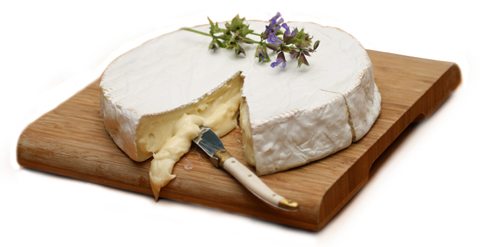
Brie cheese
The different meals of the day
While the other parts of the world claim that breakfast should be eaten like a king, lunch like a prince, and dinner like a pauper, French eating habits happen to be the opposite.
Breakfast is usually the lightest meal of the day, followed by a leisurely lunch, and then a dinner that may have several courses, especially on a festive occasion; everyday meals vary. There is usually no snacking between meals but kids who arrive from school in the afternoons eat some bread with jam paired with a glass of milk. This afternoon snack is known as le goûter.
- le petit déjeuner (breakfast)
The French breakfast is usually a simple fare. It usually consists of sliced bread with jelly or jam and some coffee, tea or hot chocolate served in bowls. Croissants, pain au chocolat, and pain aux raisins are also popular breakfast breads especially as a treat during weekends.
- le déjeuner (lunch)
When we say that lunch is a leisurely affair for the French, it certainly is. Traditionally a two-hour mid-day break, lunch consists of several courses. It starts out with the hors d’oeuvre, usually a salad or soup, followed by the main dish (plat principal), and then the dessert. In recent times however, the trend in major cities shifted to only an hour of lunch break. This means the company workers and students spend their lunch breaks in corporate or school cafeterias. In some smaller towns, a longer midday break may still allow people to go home for lunch.
- Le dîner (dinner)
Dinner for the French is a time when the family gets together to talk about the day and bond over food. It consists of several courses similar to that of the lunch, starting with appetizers and ending with dessert, but a cheese course (fromage) may be inserted after the main course. The main dish, usually meats or fish, is served with vegetables, pasta, potatoes, or rice. The cheese course can sometimes be replaced with yogurt, and dessert is oftentimes a fresh fruit, or a delicious pastry for special occasions. Bread and wine are also present during most dinners.
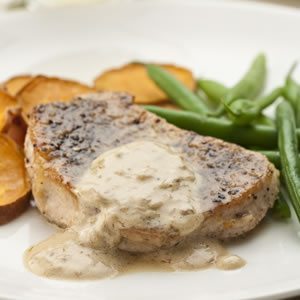
Pork Chops Poivre
The Beverages
French people like to have a round of drinks before and after a meal. The drinks before a meal are called apéritifs (which literally means appetite opener) while the drinks after a meal are called digestifs.
- Apéritifs
The apéritifs are the equivalent of cocktail hour and may include dry or sweet alcoholic beverages such as champagne, vermouth, gin, fino, and amontillado. These are also accompanied by bite-sized appetizers called amuse-bouche (or literally mouth-amusers) like crackers, cheese, olives, or pâté. Apéritifs also vary depending on the region.
- Digestifs
Digestifs are supposed to help digest the meal, and these are usually stronger alcohol which are taken straight. Popular digestifs include cognac, fruit brandies, liqueurs, whiskey, and liquor cocktails, among several others.
Popular French Food
There are so many popular French dishes all over the world and these include the following:
- Breads: baguette, croissants
- Entrée: foie gras (duck or goose liver which is a result of being force-fed with grains), truffles, quenelles (log-shaped dumplings), quiche, escargots (snails), ratatouille (mixed veggies made famous by the animated movie of the same title!), bisque (creamy seafood soup).
- Main dish: Andouillette (sausage made of pork intestine), Boeuf Bourguignon, Bouillabaisse (seafood stew), Confit de Canard (duck confit), Coq au vin (chicken cooked in wine), fondue, steak frites (steak with French fries), cassoulet (slow cooked beans and meat).
- Cheeses: Brie, Camembert, Roquefort (an old and popular blue cheese)
- Desserts and pastries: choux (cream puffs), crème brûlée, éclair, madeleine, mousse au chocolat, crêpes, macarons, fruit tarts, profiteroles, and so many others.
For a bigger list, go to this article about 50 Fabulous French Food for all Seasons (with recipes!)
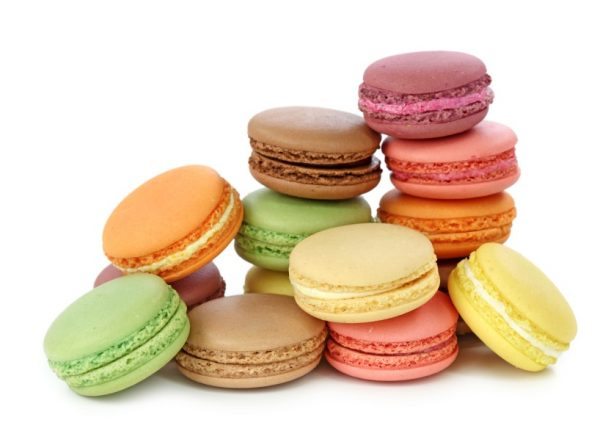
Famous French macarons
French Dining
Modern restaurant dining has its roots in French culture. As early as the 18th century, diners were already served by some of the earliest restaurateurs in the world. Customers were served either in the kitchens of the cooks themselves or in establishments selling restorative broths, called bouillons or restaurants.
One of the most successful early restaurants is the Grande Taverne de Londres created by Antoine Beauvilliers, a chef who served the future King Louis XVIII. Other royal chefs also opened their own restaurants and therefore officially began the upscale dining culture.
Here are the different kinds of food establishments abundant in France.
- Restaurant: there are thousands of these in Paris alone, and thousands more in other cities and towns. The most popular ones are often those awarded with Michelin stars.
- Bistro: a smaller, cozier version of a restaurant, often comes with chalkboard menus and regional dishes.
- Bistrot à Vin: can be likened to vintage-style cabarets and tavernes which offer alcoholic drinks and simple food.
- Brasserie: serves beer, wine, and meals and often offers continuous meal service, though opening days and hours vary.
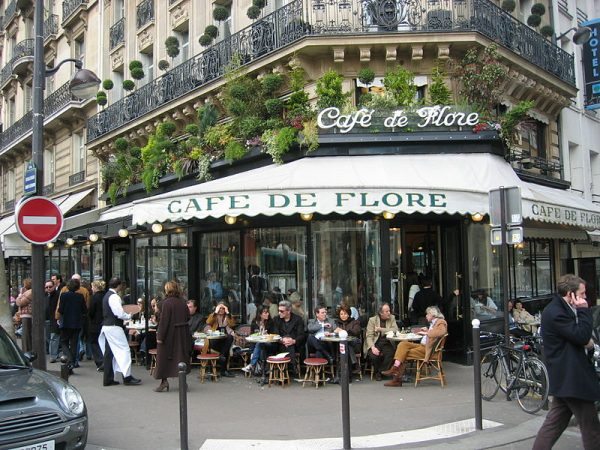
- Café: the chic little places that offer limited kinds of food and often have outdoor seating.
- Salon de Thé: this is just like the usual cafes found elsewhere. It serves tea, chocolate, coffee, and some snacks and salads.
- Bar: influenced by the American bars, the French bars also serve all kinds of alcoholic beverages.
BONUS TOPIC: Why don’t the French Get Fat??
This is a very common diet topic especially for women, and it even spawned a series of diet guides and books such as the bestseller French Women Don’t Get Fat.
But the question that begs to be answered is why???? French people love food, have several courses of meals, eat cheeses and pastries, and wash it all down with alcohol. So why is it that the French are not fat?
Here, let’s take a look at habits often associated with the image of French slimness. In research, the “French paradox” refers to relatively low coronary-heart-disease rates despite a diet rich in saturated fat, not to an absence of obesity.
- “Real” unprocessed food – Unlike, let’s say, the Americans, fresh produce can easily be accessed by the French. These include fresh meat from the butchers, fresh farm eggs, handmade cheeses, vegetables and fruits, and raw milk. Just try to compare it with eating highly-processed store-bought dinners and fast food meals.
- Leisurely, unhurried eating – A leisurely lunch is a French tradition: the aim is to savour the food and enjoy the meal, even when the available break is shorter than the traditional two-hour midday pause. Taking time over a meal can help you notice fullness cues. Eating quickly can make it easier to eat more before those cues are noticed; it is not a simple trick that works the same way for everyone.
- Fewer low-fat, sugar-free and fat-free versions of food – Some low-fat foods contain added sugars, while sugar-free products may use sweeteners. Those labels do not by themselves establish nutritional quality; checking the ingredients remains useful.
- Leptin and satiety signals – Leptin is a hormone produced mainly by fat cells that signals to the brain and helps regulate appetite. Some people with obesity develop leptin resistance, but its causes are complex; it does not by itself explain national differences in body weight.
- Well-prepared and satisfying meals – Careful preparation and varied ingredients can make meals enjoyable and satisfying. Nutritional balance depends on the actual ingredients and portions, rather than being guaranteed by a national cuisine.
- The Government’s support – The French government makes a serious effort to ensure that the children are getting proper nutrition. An example of this is the ban on paid food and drink vending machines accessible to pupils in schools from September 2005, alongside school-meal nutrition rules. At an early age, the kids are already given access and education about the importance of eating properly.
- Eating attitudes – Listening to the body’s hunger and fullness cues fits the French ideal of enjoying a satisfying meal. Some diners instead rely on external cues, such as finishing everything on the plate. These habits vary within every country; the ideal is to stop when you are satisfied. They say, “Ça va, je n’ai plus faim” (I’m good; I’m not hungry anymore). Saying “Je suis plein” (I am full) is familiar; in France, je n’ai plus faim or j’ai assez mangé is a more neutral choice.
- Smoking habits – Nicotine can suppress appetite, and some people gain weight after quitting. That does not establish why a nationality is thin or mean that smokers are protected from obesity. Smoking poses a serious risk to health, including cancer.
This is not to say though that the French never get fat. The 2024 OFEO survey estimated obesity in 18.1% of adults across mainland and overseas France, including 17.9% in mainland France. These are dated survey estimates, rather than a claim that the French never gain weight. Obesity has multiple contributing factors, including changes in diet, activity and lifestyle; fast food and shorter lunch breaks alone do not establish the cause. Still, the French tradition of preparing meals exquisitely is still being upheld and continues to be a source of pride.
How about you, what can you say about French food? Do you have any favorite French food?